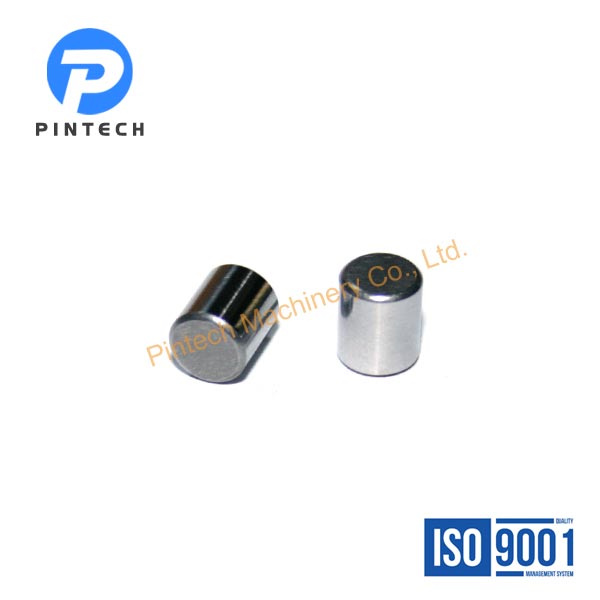

Description

What is Cylindrical Roller DIN 5402-1
Add Your Heading Text Here
Cylindrical roller bearings are used in various mechanical applications to provide support for rotating shafts. DIN 5402-1 helps ensure consistency and reliability in the design, manufacturing, and application of cylindrical roller bearings, contributing to their widespread use in machinery and industrial equipment.
The DIN 5402-1 standard
Basic Dimensions: Specifies the basic dimensions of cylindrical rollers and their diameters, lengths, and tolerances.
Tolerances: Defines the permissible deviations in dimensions to ensure proper fit and function within specified clearances.
Load Ratings: Provides guidelines for calculating dynamic and static load ratings, which indicate the maximum loads that the bearings can withstand under different operating conditions.
Materials and Heat Treatment: Specifies requirements for materials used in the rollers and their heat treatment to achieve desired mechanical properties such as hardness and toughness.

Manufacturing Process Of Cylindrical Roller DIN 5402-1
1. Material Selection
High-quality bearing steels such as chrome steel (e.g., AISI 52100) or stainless steel are chosen based on the application requirements for strength, hardness, and corrosion resistance.
2. Cutting and Forming
The raw material is first cut into appropriate lengths using cutting machines. These lengths are then heated to forging temperatures and formed into cylindrical shapes using forging or rolling processes.
3. Heat Treatment
The formed cylindrical blanks undergo heat treatment processes such as quenching to achieve desired hardness, toughness. This step is critical to enhance the mechanical properties.
4. Turning and Grinding
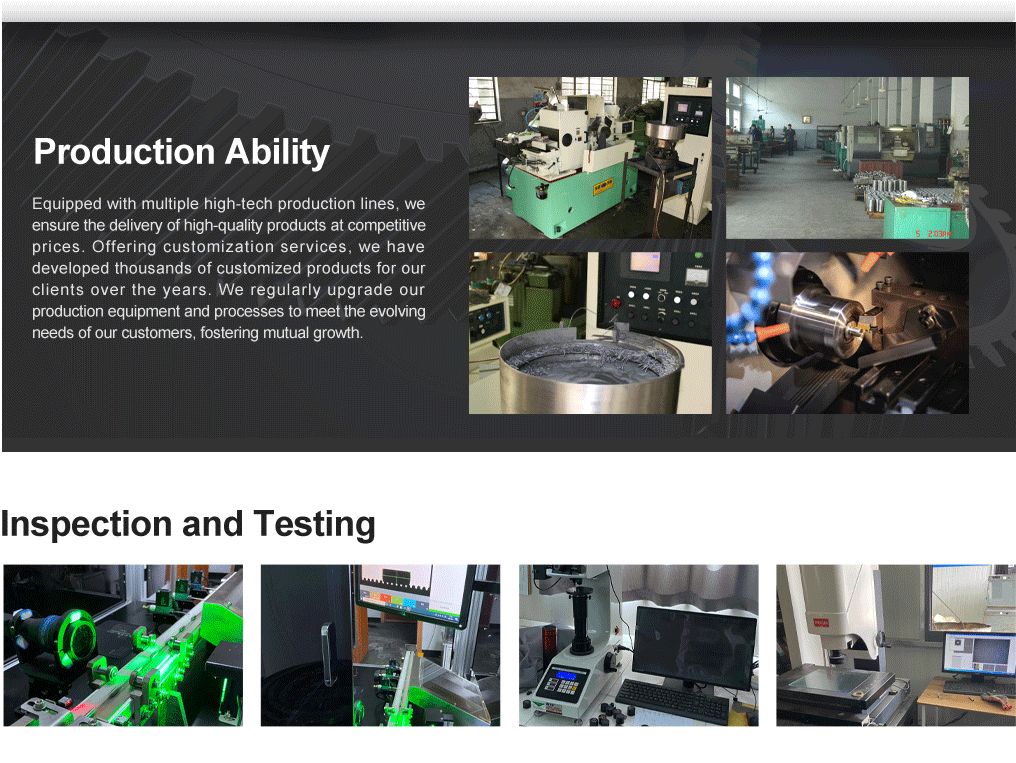
After heat treatment, the rollers are machined to achieve precise dimensions and surface finish. This involves turning operations to achieve the outer diameter and grinding operations to achieve the final dimensional accuracy and surface quality.
5. Superfinishing
In some cases, rollers undergo superfinishing processes to achieve ultra-smooth surfaces and improve performance characteristics such as reduced friction and extended service life.
6. Quality Control
Rigorous quality control measures are implemented to ensure that each roller meets specified tolerances, hardness, and surface finish requirements. This typically involves dimensional inspections, hardness testing, and surface quality checks.
Applications Of Cylindrical Roller DIN 5402-1
Automotive Industry
Found in gearbox assemblies, wheel hubs, and engine components where they support radial and axial loads under varying operating conditions.
Machine Tools
Used in spindle bearings and precision machine tool applications where high rotational speeds, precision, and load-bearing capacity are required.
Textile Machinery
Found in spinning machines and looms where they support rotating shafts and spindles under high-speed and high-load conditions.
Key Products