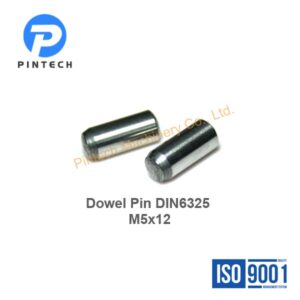
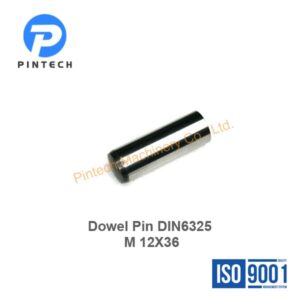
A fastener standard is a means of communicating the understood needs or components of a fastener. It typically takes the form of a paper that explains parameters. When a fastener satisfies a standard, it indicates that its attributes are conveyed in an identifiable and consistent manner.
Manufacturers are not required by law to exclusively adhere to standards; rather, standards are met voluntarily. Still, a lot of OEM designs call for fasteners that adhere to these specifications. Sometimes they are even mandated by legislation; for instance, the Consumer Production Safety Improvement Act requires that all toys marketed in the United States adhere to the ASTM International (ASTM) F963 safety standard.
Some of these standards must be followed in order to prevent serious malfunctions and occasionally legal infractions that could lead to safety violations, accidents, and legal repercussions. Purchasing fasteners from a distributor that provides a variety of parts that comply with standards is crucial.
What Is Covered by a Fastener Standard?
A wide range of topics are covered by fastener standards. Common features include dimensions (inch and metric fasteners often have different standards), mechanical properties, classifications, materials, and usage. As an illustration, ASTM divides its standards into six categories, which are useful for comprehending the variety of fastener attributes that are frequently standardized among various organizations.
Specifications: Covers physical characteristics like dimensions/tolerances and chemical properties like material composition
Test Methods: Defines the desired value of a property, such as machinability, and how to test it.
Practice: Offers guidelines on how to use fasteners.
Guide: Offers guidance and considerations for selecting the right fastener
Classification: Provides details about the fastener without making any demands.
Terminology: Consists of definitions, symbols, and other characteristics that help identify the fastener.
Who Sets Fastener Standards?
Non-profit organizations that standardize goods and services to establish expectations for quality, safety, and uniformity are primarily responsible for setting fastener standards. Some aim to create these standards at the national or international level, while others build standards for usage in particular industries, such as the automobile or military sectors.
These companies deal with procedures, safety regulations, service standards, business management, and other things that fall within their purview in addition to fasteners. Nonetheless, a number of them generate well-known fastener standards that are followed by numerous manufacturers.
Some of the most common fastener standards organizations are:
ASME – American Society of Mechanical Engineers
ANSI – American National Standards Institute
SAE International – Society of Automotive Engineers
ASTM International – American Society for Testing and Materials
DIN – Deutsches Institute for Normung (German National Standards Institute)
ISO – International Organization for Standardization

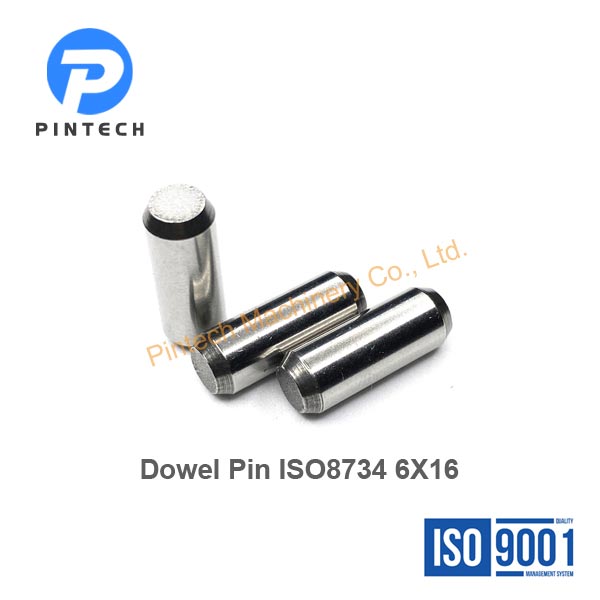


Industries can maintain consistency by communicating fastener needs and attributes uniformly through the use of fastener standards. Even though they are optional, many applications need adherence to particular guidelines in order to comply with safety or legal requirements, thus it’s crucial to collaborate with a reliable fastener factory.
Pintech Machinery offers a range of products in these different types of metals that are suitable for a wide variety of applications. Contact our Sales Team or browse our range of products for more information.