Choosing the right dowel pins for your project depends on several key factors, including material, tolerance, application, and environmental conditions. Here’s a detailed guide to help you make the right choice:
Determine the Application Requirements
- Alignment or Load Bearing? If the pin is primarily for alignment, focus on high-precision tolerances. If it’s for load-bearing, consider strength and material.
- Fixed or Removable? Some applications require press-fit pins (non-removable), while others need slip-fit pins (removable).
- Rotational or Static? If the pin will experience rotational movement, choose hardened steel or bearing rollers.
Choose the Right Material
Steel (Hardened or Stainless)
- Hardened Steel: High strength, used in automotive & heavy machinery.
- Stainless Steel (304/316): Corrosion resistance, good for outdoor/marine environments.
Select the Proper Tolerance
Standard Tolerances
- M6 Tolerance: Common for precise alignment in automotive and mechanical engineering.
- h7/h8 Tolerance: Standard fits for general alignment.
- Oversized (press-fit) or undersized (clearance-fit) depending on assembly needs.
Check Industry Standards
Common standards include:
- ISO 8734 (Precision dowel pins)
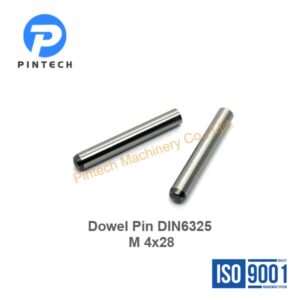
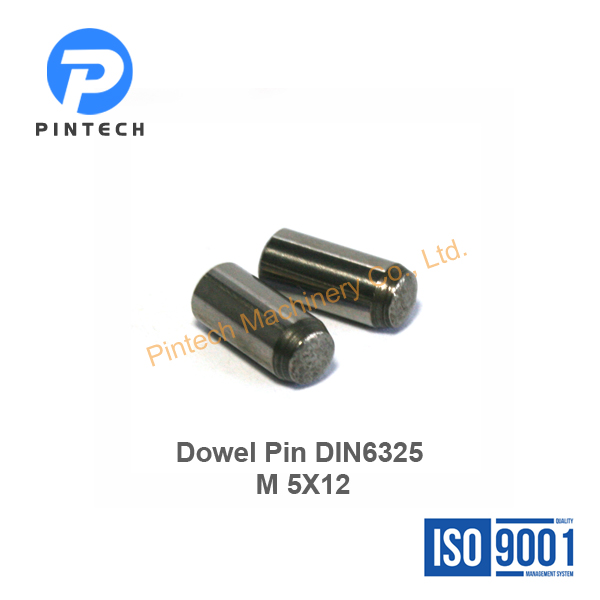
- DIN 6325 (Parallel dowel pins)
- ANSI B18.8.2 (Hardened & ground pins)
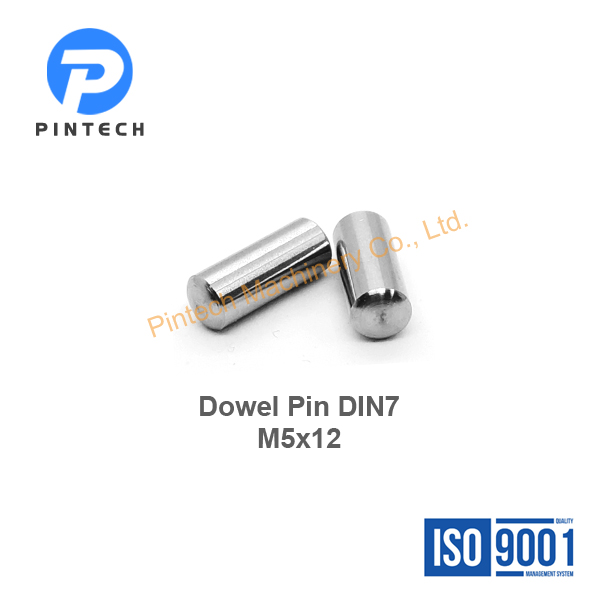


Special Features
Threaded Dowel Pins – Easy removal in maintenance applications.
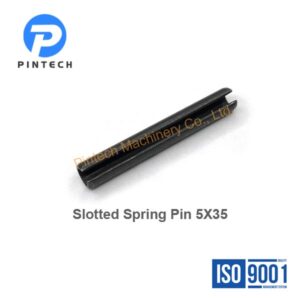
Slotted or Grooved Pins – Allows flexibility and easier insertion.


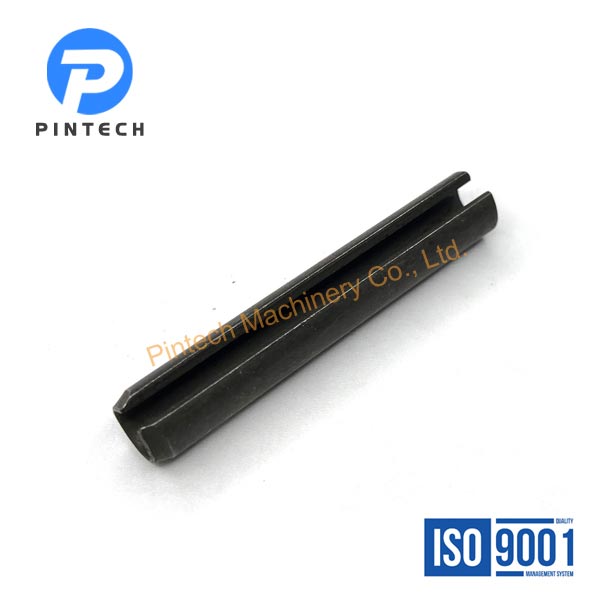
If you’re looking for M6 tolerance dowel pins for automotive manufacturing, Pintech Machinery offers a variety of options. Let me know if you need specific recommendations!