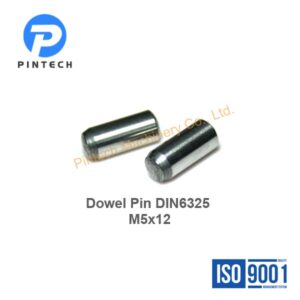
Parallel pins with a chamfer are cylindrical alignment pins that feature a beveled or angled edge (chamfer) on one or both ends. The chamfer helps in easy insertion into mating holes during assembly by providing a lead-in, which minimizes the risk of damage to both the pin and the hole during installation.
Key Features
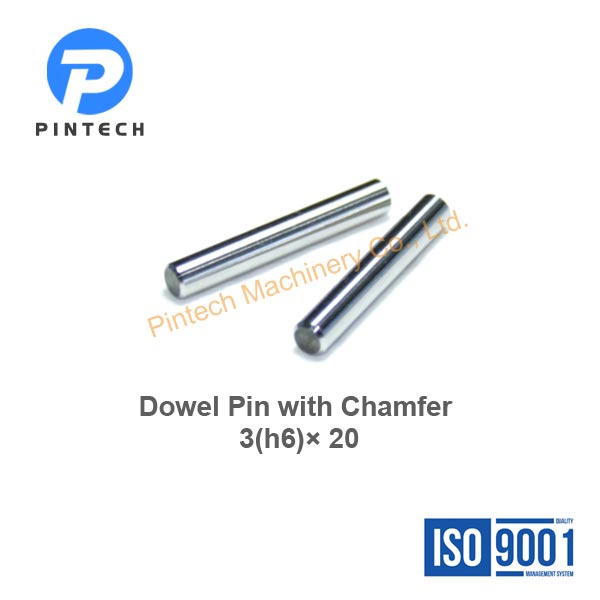
Chamfered Ends: The chamfer is typically a small, angled cut made at the end(s) of the pin. This feature makes the pin easier to insert into holes, especially if there’s a tight fit or a slight misalignment.
Precision Machining: Like regular parallel dowel pins, these are manufactured to tight tolerances for precision alignment.
Material Options: They are made from materials like hardened steel, stainless steel, or other durable alloys, depending on the application.
Tolerances: They are available in various tolerance grades (such as M6), which define the level of precision in their dimensions.

Advantages of Chamfered Parallel Pins
Ease of Installation: The chamfered edge guides the pin into the hole more smoothly, reducing the chance of it catching on the edge of the hole.
Reduced Damage: The beveled edge minimizes the likelihood of damaging the pin or the hole during installation, especially in high-precision assemblies.
Improved Alignment: Chamfering makes the pins self-locating, helping with alignment during assembly and ensuring a secure fit.
Enhanced Wear Resistance: By facilitating smoother insertion, the chamfer reduces wear on both the pin and the mating hole over time.


Applications
Automotive Engines: Used to align critical components like the cylinder head to the engine block.
Mechanical Engineering: Employed in machinery for positioning and securing components during assembly.
Tooling and Fixture Design: Frequently used in precision fixtures to guide parts into exact positions.
Chamfered parallel pins are ideal for applications requiring precision, durability, and ease of assembly. The chamfer reduces the effort and risk involved in aligning the pins, especially in tight tolerance fits.