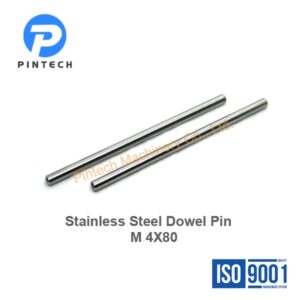
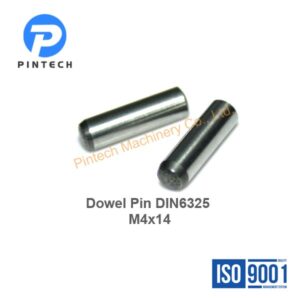
Automotive-grade dowel pins are precision-engineered fasteners specifically designed for use in the automotive industry. They serve the crucial function of aligning components, ensuring proper positioning during assembly, and maintaining alignment under load or vibration.
Key Characteristics
1. Material
High-strength materials: Often made from hardened steel, stainless steel, or other alloy steels to withstand the stress and wear of automotive applications.
Corrosion resistance: They may be coated or treated for protection against corrosion, which is crucial in environments exposed to heat, moisture, and road salt.
2. Precision and Tolerance
Automotive-grade dowel pins typically have very tight tolerances to ensure precision alignment. For example, manufacturers often use a tolerance grade of M6, which gives the pin minimal clearance to reduce play and movement between aligned parts.
3. Standardization
Automotive dowel pins often conform to ISO, DIN, or other automotive standards to ensure interchangeability and compatibility across different vehicle makes and models.
Common Applications
Engine assembly: Engine blocks and cylinder heads use dowel pins to align precisely at the mating surfaces.
Transmission systems: They help in the accurate assembly of components like gearboxes.
Brake systems: In braking assemblies, dowel pins can ensure that calipers and other parts remain aligned during operation.
Automotive-grade dowel pins are essential in maintaining the integrity and performance of vehicles, helping to prevent misalignment and wear over time.