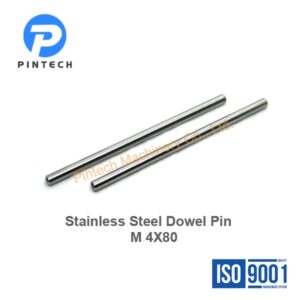
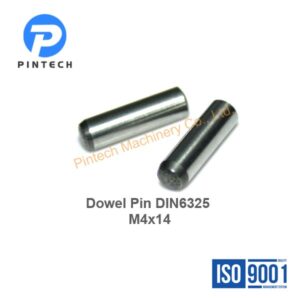
Non-magnetic dowel pins are precision cylindrical rods made from materials that do not exhibit magnetic properties. They are commonly used in applications where magnetic interference could affect the operation of sensitive equipment, such as in electronic devices, medical instruments, or aerospace components.
These pins serve various purposes, including alignment, spacing, and assembly of parts. Common materials for non-magnetic dowel pins include stainless steel (specifically austenitic grades), plastic, or aluminum, all chosen for their non-magnetic properties and strength. Non-magnetic dowel pins can be found in a variety of sizes and tolerances to meet specific application needs.
Advantages of Non-magnetic Dowel Pins
Interference Reduction: They prevent magnetic interference in sensitive electronic and medical applications, ensuring accurate performance.
Corrosion Resistance: Many non-magnetic materials, like stainless steel or plastic, resist corrosion, enhancing durability and lifespan in harsh environments.
Precision Alignment: They provide precise alignment and spacing, which is crucial for maintaining the integrity of assembled components.
Weight Reduction: Non-magnetic materials like aluminum can be lighter than steel, contributing to overall weight reduction in applications where weight is a critical factor.
Versatility: Non-magnetic dowel pins can be manufactured in various sizes, shapes, and materials, making them suitable for diverse applications.
Non-Contaminating: They do not introduce magnetic particles, which is beneficial in cleanroom or controlled environments.
Thermal Stability: Many non-magnetic materials have good thermal stability, making them suitable for high-temperature applications.
These advantages make non-magnetic dowel pins essential in fields such as electronics, aerospace, and medical devices.