
Description
What is Metric Parallel Dowel Pins?
Add Your Heading Text Here
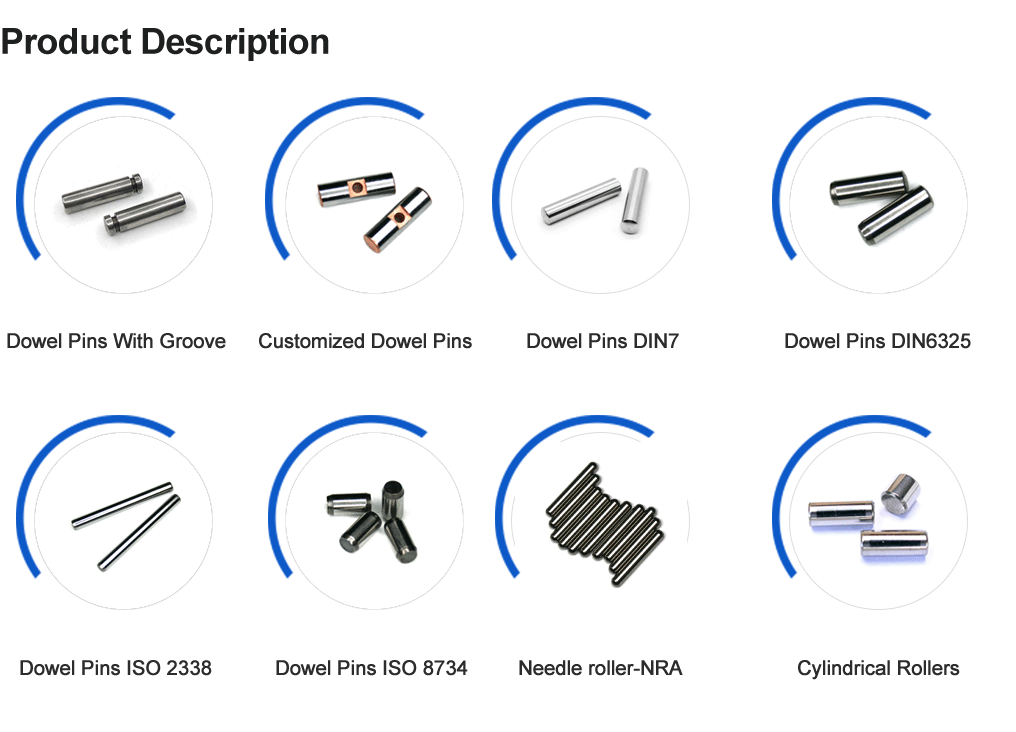
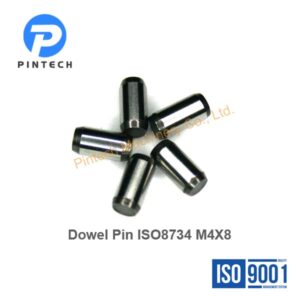
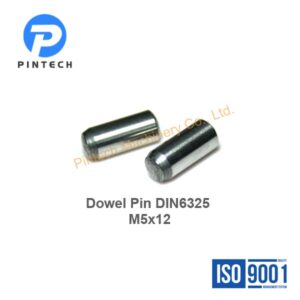
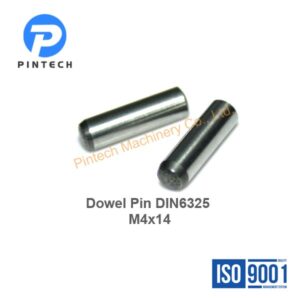
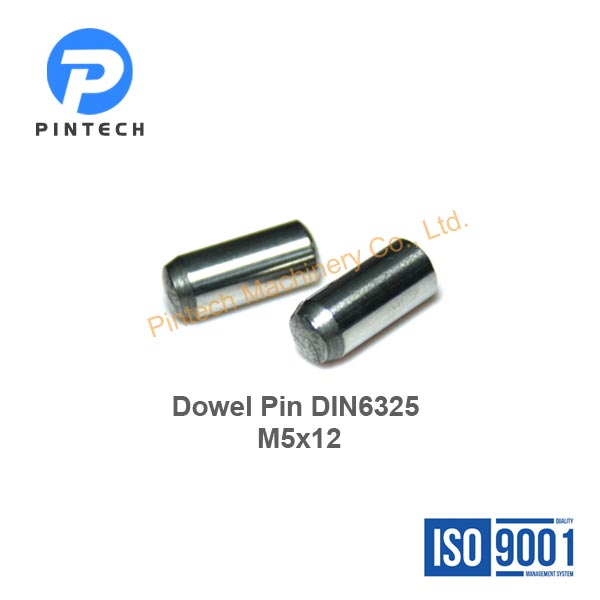
Metric Dowel Pins are available in a range of sizes, providing flexibility to meet the precise dimensional requirements of different industrial and engineering applications. Metric Dowel Pins are precision components that offer a reliable and customizable solution for securing and aligning components in industrial and engineering applications.
Material Variety
- Steel: Carbon steel is another common material for Metric Dowel Pins, often hardened to 60Rc to provide strength and wear resistance.
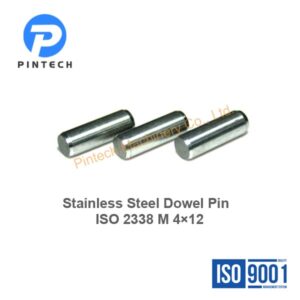
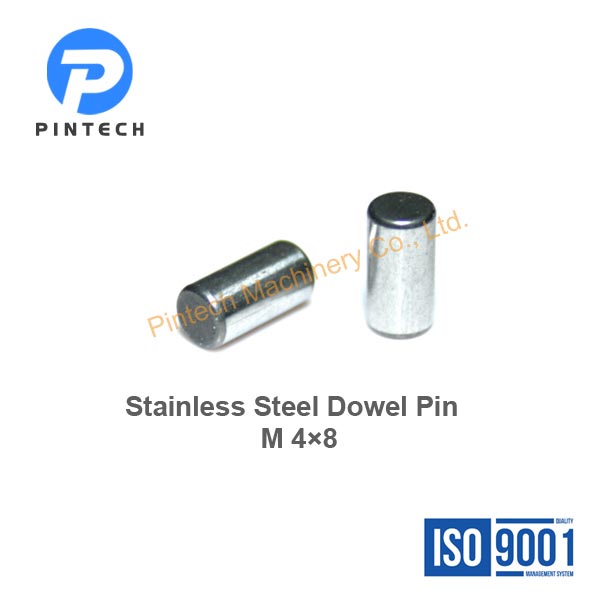
- Stainless Steel: Stainless steel is a popular material for Metric Dowel Pins, offering corrosion resistance and durability. Variants such as 304 Stainless Steel, 316 Stainless Steel are commonly used.
- Other Materials: In addition to stainless and carbon steel, Metric Dowel Pins are also available in materials such as aluminum, brass, phosphor bronze, and wood. These materials cater to specific application needs, offering options for various environmental and load-bearing requirements.

The Manufacturing Process of Metric Parallel Dowel Pins

1. Material Selection
The process begins with selecting the appropriate material based on the application requirements. Common materials include case hardened steel, stainless steel, aluminum, brass, and other metals. Each material offers specific properties such as wear resistance, strength, and corrosion resistance.
2. Cutting
The selected material is cut into the desired lengths. This can be done using various cutting methods such as sawing or shearing.

3. Turning and Grinding
The cylindrical blanks are machined to precise dimensions using turning and grinding processes. This ensures that the dowel pins meet the required tolerances and surface finish specifications. Precision grinding is particularly important for achieving the accurate m6 tolerance limits.
4. Grooving (If Applicable)
For certain types of dowel pins, such as grooved pins, longitudinal grooves are rolled or pressed into the cylindrical body. This deformation helps in achieving a locking fit when the pin is inserted into a drilled hole.

5. Heat Treatment
Some dowel pins may undergo additional surface treatments like plasma nitriding to further enhance their hardness and wear resistance. This process involves exposing the pins to a nitrogen-rich plasma environment, which diffuses nitrogen into the surface of the pins, creating a hard, wear-resistant layer.
6. Deburring and Cleaning
After heat treatment, the pins are tumbled or otherwise processed to remove any burrs and to clean the surface. This ensures that the pins have a smooth finish and are free from any surface imperfections.
Advantages Of Metric Parallel Dowel Pins
Preservation of Alignment
Metric Parallel Dowel Pins are commonly used to retain parts in a fixed position or to preserve alignment, making them essential for applications where precise positioning is crucial, such as in machinery and equipment assembly.
Aesthetic Applications
In aesthetic applications where the hardware must be accessible or seen, Metric Parallel Dowel Pins can appear uniform to their assembly, providing a distinct advantage over other fasteners. This makes them commonly used in furniture, as well as in applications.
Material Variety
Metric Parallel Dowel Pins are available in a variety of materials, including hardened carbon steel, stainless steel AISI 303, and AISI-316, offering options to suit different environmental and load-bearing requirements.
Tolerance and Precision
These dowel pins are manufactured to accurate m6 tolerance limits, ensuring precise dimensions and reliable performance in exact locating and alignment in drilled and reamed location holes.