Description

What Are Parallel Dowel Pins ISO2338?
Add Your Heading Text Here
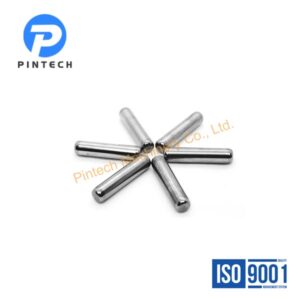
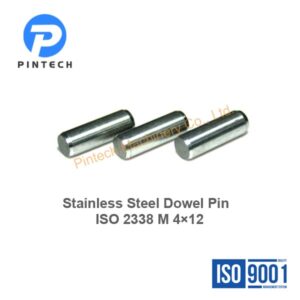
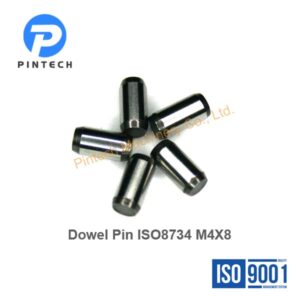
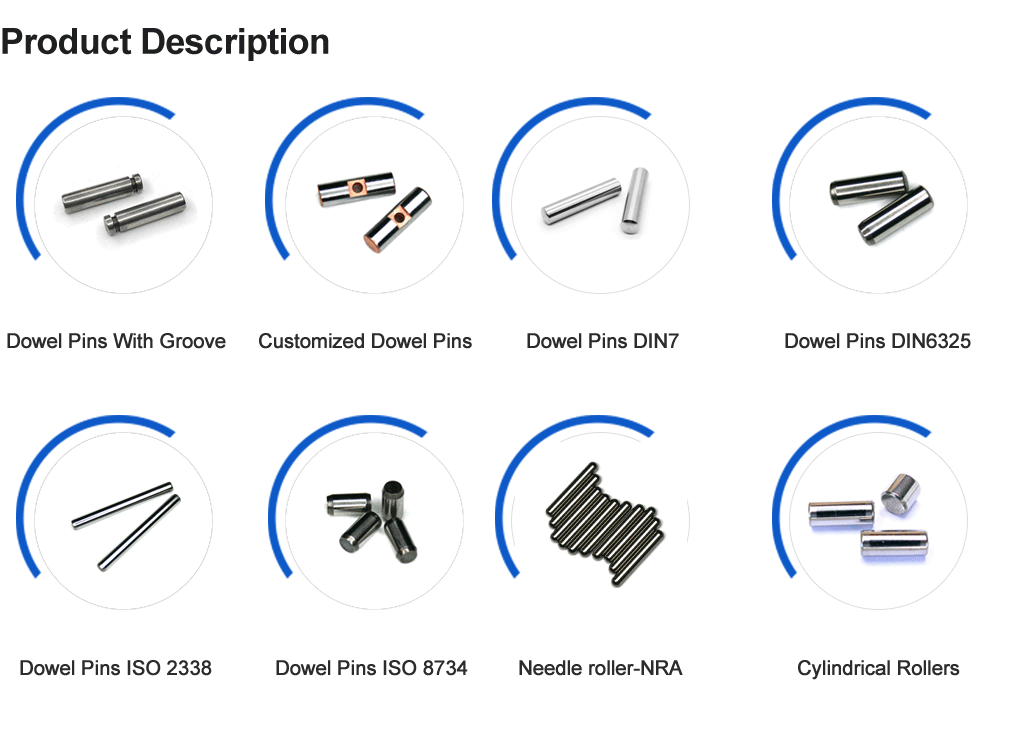
Parallel Dowel Pins ISO 2338 are standardized cylindrical pins used for accurate alignment, positioning, and fastening of machine parts. The ISO 2338 standard defines the dimensions and tolerances for these dowel pins, ensuring they meet international specifications. They are typically used in mechanical assemblies where precision alignment is crucial.
Product Features
- Brand: Pintech
- Size: Can be customized
- System of Measurement: Metric
- Tolerance: m6 or as per requirement
- Material: Alloy Steel or Stainless Steel
- Material Processes: Hardened and tempered
- Hardness Rating: HRC58~62
- Sample: normal samples in stock are free

Advantages of Parallel Dowel Pins ISO2338
Precision Alignment
Offers accurate alignment and positioning for mechanical components.
Ease of Installation
The looser tolerances make ISO 2338 dowel pins easier to insert and remove compared to tighter tolerance pins.
Interchangeable
The ISO 2338 standard ensures interchangeability between manufacturers, making it easier to source and replace pins.
Applications Of Parallel Dowel Pins ISO2338
Machinery Assembly
In machinery, ISO 2338 dowel pins are used to align components, ensuring precise positioning of parts such as gears, shafts, and casings. They help maintain the integrity of mechanical assemblies and prevent misalignment during operation.
Automotive Industry
ISO 2338 pins are used in automotive manufacturing to align and secure engine components, transmission parts, and chassis elements. They ensure that critical parts like engine blocks and cylinder heads are aligned for proper function.
Tooling and Fixtures
These dowel pins are widely used in the production of jigs, fixtures, and molds. They ensure that workpieces or components are consistently located in the same position during machining or assembly processes, improving accuracy and repeatability.
Key Products